Traditional Energy-Based Therapy for Balance, Calm & Overall Wellbeing
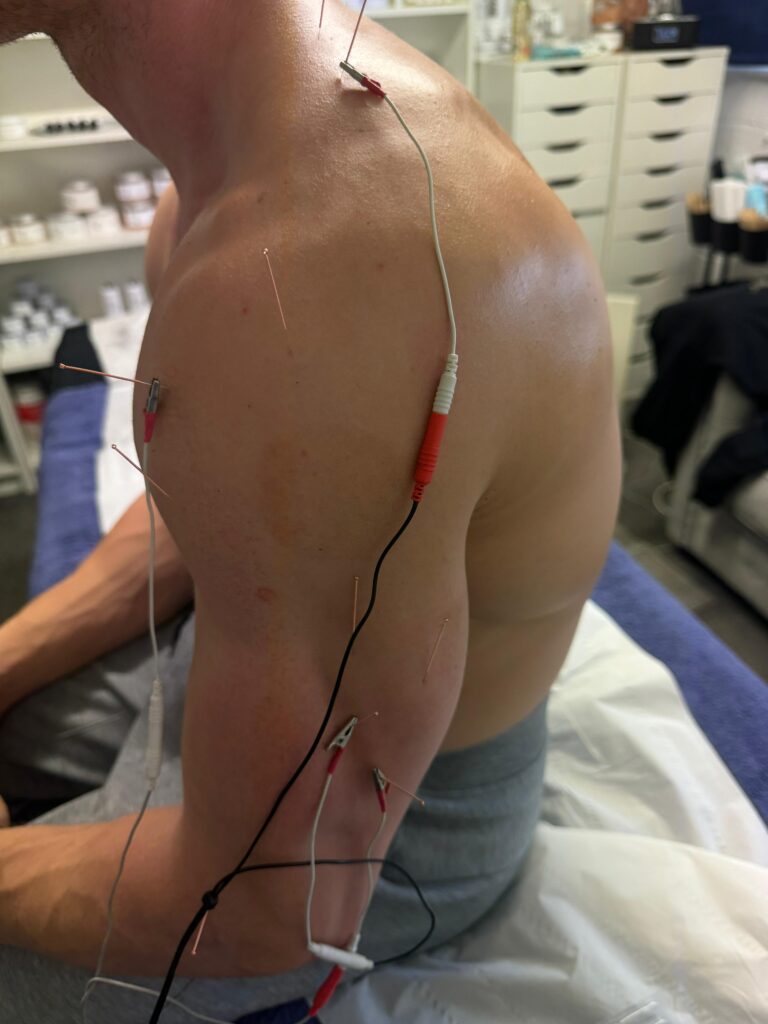
At Phoenix Massage, I offer a holistic approach to acupuncture as part of a wider commitment to relaxation, balance and overall wellbeing. Acupuncture is a traditional therapy rooted in Chinese medicine that uses very fine needles placed at specific points on the body to support energy flow and help restore internal balance.
This treatment is often chosen by clients looking to reduce stress, support relaxation and improve both physical and emotional wellbeing in a natural, holistic way.
Restoring Balance in the Body
Acupuncture is based on the principle of supporting the body’s natural energy pathways. When these pathways are balanced and flowing freely, many people experience improvements in how they feel physically, mentally and emotionally.
It is commonly used to support:
- Stress and anxiety reduction
- Muscle tension and physical discomfort
- Improved sleep and deeper relaxation
- Circulation and energy flow
- Hormonal balance and wellbeing
- A general sense of calm and reset
Every treatment is tailored to you as an individual, focusing on overall balance rather than isolated symptoms.
Support for Skin, Recovery & Inner Balance
Many clients also include acupuncture as part of their wider wellness or self-care routine. By supporting circulation, relaxation and internal balance, it may help the body function more efficiently, which can contribute to a healthier overall appearance and sense of vitality.
It is often used alongside other therapies to support recovery, stress management and long-term wellbeing.
A Calm, Safe & Welcoming Space
At Phoenix Massage, I provide a respectful and inclusive environment where every client is welcomed with kindness, care and understanding.
Your comfort, privacy and wellbeing are always my priority. I aim to create a calm, professional and judgement-free space where you can fully relax, feel comfortable and enjoy your treatment with confidence.
I welcome people of all backgrounds, body types and lifestyles, and I am committed to creating an environment where everyone feels valued, respected and completely at ease.
A Holistic Approach to Wellness
Acupuncture is not only about addressing specific concerns—it is about supporting the whole person. I take a holistic approach across all treatments, recognising the connection between physical tension, emotional stress and everyday lifestyle pressures.
Each session is adapted to how you feel on the day, supporting both immediate relaxation and longer-term wellbeing. To boost your session why not look at adding on Cupping therapy to your session.
Booking and Price
LGBTQ
60 Mins @ £75
Acupuncture FAQs
Does acupuncture hurt?
Acupuncture needles are extremely fine, so the sensation is usually very different from having an injection or blood test.
Some people feel very little when a needle is inserted, while others may notice a brief tingling, heaviness, warmth or dull ache around an acupuncture point. Treatment should not feel unbearably painful, so always let me know if you are uncomfortable.
What happens during my first acupuncture appointment?
Before treatment begins, we will discuss what has brought you to acupuncture, your general wellbeing and any relevant health information.
I will explain what to expect, answer any questions you have and make sure you feel comfortable before any needles are used. Your treatment can then be adapted to your individual needs and how you feel on the day.
How big are acupuncture needles?
Acupuncture needles are much finer than the needles commonly used for injections or blood tests.
They are designed specifically for acupuncture and are inserted carefully at selected points according to the treatment being provided.
Are acupuncture needles sterile?
Professional acupuncture should use sterile, single use needles that are disposed of safely after treatment.
Needles should never be reused between clients.
How long are acupuncture needles left in?
The length of time needles remain in place can vary according to the treatment and the individual client.
During this time, you can usually relax quietly while the needles remain positioned. Your comfort will be monitored throughout the session.
What should I wear to an acupuncture appointment?
Comfortable, loose fitting clothing is usually best.
The areas that need to be accessed will depend on the acupuncture points being used. You may sometimes need to adjust or remove certain clothing, but your privacy and comfort will always be respected.
Should I eat before acupuncture?
It is generally sensible not to arrive for acupuncture when you are extremely hungry.
Having a light meal or snack beforehand can help you feel comfortable during your appointment. Avoid arriving immediately after an unusually heavy meal if possible.
How will I feel after acupuncture?
Everyone responds differently. Some people feel deeply relaxed or sleepy afterwards, while others feel refreshed and ready to continue with their day.
Occasionally, you may notice temporary tenderness around a needle site. Giving yourself a little time to relax after your appointment can be helpful.
Can I exercise after acupuncture?
Gentle normal activity is usually fine, but you may prefer to avoid an extremely demanding workout immediately afterwards if you feel particularly relaxed or tired.
Listen to how your body feels following your treatment and allow yourself some recovery time if needed.
How many acupuncture sessions will I need?
There is no single number of treatments that suits everyone.
Some people choose acupuncture occasionally as part of their relaxation and wellbeing routine, while others prefer a series of appointments. The frequency of treatment will depend on your individual circumstances, what you hope to gain from acupuncture and how you respond to your sessions.
Can acupuncture be combined with massage?
Yes. Acupuncture and massage can be used as separate treatments or incorporated into a broader wellbeing routine.
If you experience muscular tension, for example, you may choose to combine acupuncture with treatments such as Swedish Massage or Deep Tissue Massage where appropriate.
Can acupuncture and cupping be combined?
They can sometimes complement each other as part of a wider treatment session.
Acupuncture uses fine needles at selected points, while cupping uses suction applied to areas of the body. If you are interested in combining acupuncture and cupping, we can discuss whether this is appropriate for you before treatment.
What is the difference between acupuncture and dry needling?
Although both treatments use fine needles, they come from different approaches.
Traditional acupuncture is rooted in Chinese medicine and uses specific acupuncture points within a broader holistic treatment approach.
Dry needling is generally based on Western anatomical principles and tends to focus more directly on particular muscles and areas of muscular tension.
Can acupuncture help with stress?
Many people choose acupuncture because they find the experience calming and relaxing.
Stress can affect people both mentally and physically, and having dedicated time to relax can form part of a wider approach to supporting wellbeing. Acupuncture should not replace appropriate medical or mental health support where this is needed.
Can acupuncture help me sleep better?
Some people include acupuncture within their relaxation routine when they are experiencing poor sleep or difficulty switching off.
Individual responses vary, and persistent sleep problems can have many different causes. If you are experiencing ongoing or severe sleep difficulties, it is sensible to discuss these with an appropriate healthcare professional.
Can acupuncture help with muscle tension?
Acupuncture is sometimes chosen by people experiencing muscular tightness or discomfort.
The appropriate approach depends on the nature of your symptoms. New, severe, persistent or unexplained pain should be appropriately assessed rather than relying solely on complementary therapy.
Can I have acupuncture if I am pregnant?
Pregnancy does not automatically mean that acupuncture cannot be performed, but it is important to tell me if you are pregnant or think you may be pregnant before treatment.
Certain acupuncture points and treatment approaches may need to be avoided or adapted during pregnancy. Depending on your circumstances, you may also be advised to speak with your midwife, GP or another appropriate healthcare professional first.
Can I have acupuncture if I take medication?
In many cases medication does not automatically prevent someone from having acupuncture, but you should tell me about relevant medication before treatment.
This is particularly important if you take anticoagulants or blood thinning medication, have a bleeding disorder or have another condition that could affect how your body responds to needling.
Who should not have acupuncture?
Acupuncture may need to be adapted or avoided in certain circumstances.
Relevant medical conditions, pregnancy, medications, infections, skin conditions, bleeding disorders and other health concerns should always be disclosed before treatment.
If there is any uncertainty about whether acupuncture is appropriate for you, medical advice may be recommended before proceeding.
Can acupuncture diagnose a health condition?
No. Acupuncture at Phoenix Massage should not be used as a substitute for appropriate medical diagnosis.
If you have unexplained symptoms, persistent pain or concerns about your health, you should seek advice from a suitably qualified healthcare professional.
Is acupuncture scientifically proven?
Acupuncture has been studied extensively, but the strength of evidence varies depending on the condition being considered.
There is evidence supporting acupuncture for some types of pain and certain other conditions, while evidence for many wider wellness claims is less certain.
At Phoenix Massage, acupuncture is offered as a complementary therapy and should not replace appropriate medical assessment or treatment.
Does acupuncture release blocked energy?
Traditional Chinese medicine describes acupuncture in terms of Qi, often translated as energy, flowing through pathways within the body.
This is part of the traditional theory behind acupuncture. Modern scientific explanations generally focus on possible effects involving nerves, tissues and the body’s physiological responses rather than treating Qi as a scientifically established form of measurable energy.
Can acupuncture balance my hormones?
You may see acupuncture promoted online for “hormonal balance”, but this phrase can cover many different medical issues and the evidence varies considerably.
Acupuncture should not be presented as a replacement for medical investigation or treatment of hormonal conditions. If you have symptoms that you believe may be hormone related, appropriate medical assessment is important.
Is acupuncture suitable if I have never tried complementary therapy before?
Yes. You do not need previous experience with acupuncture, massage or any other complementary therapy.
Many first time clients are understandably curious or slightly nervous about the needles. I will explain the process before treatment begins and you can ask questions at any stage.
Do I have to believe in acupuncture for it to work?
No particular belief system is required to book acupuncture.
Although acupuncture originates from traditional Chinese medicine, you can simply approach your treatment as an opportunity for relaxation and complementary wellbeing without adopting any particular spiritual or philosophical belief.