Traditional Healing for Muscle Relief, Recovery & Deep Relaxation
At Phoenix Massage, I offer cupping therapy as a restorative treatment designed to support muscle recovery, reduce tension and encourage overall wellbeing. Rooted in traditional wellness practices, cupping uses gentle suction techniques to help stimulate circulation and release areas of tightness throughout the body.
This treatment is ideal if you’re looking for a deeper form of therapy that supports both physical relief and full-body relaxation.
How Cupping Therapy Works
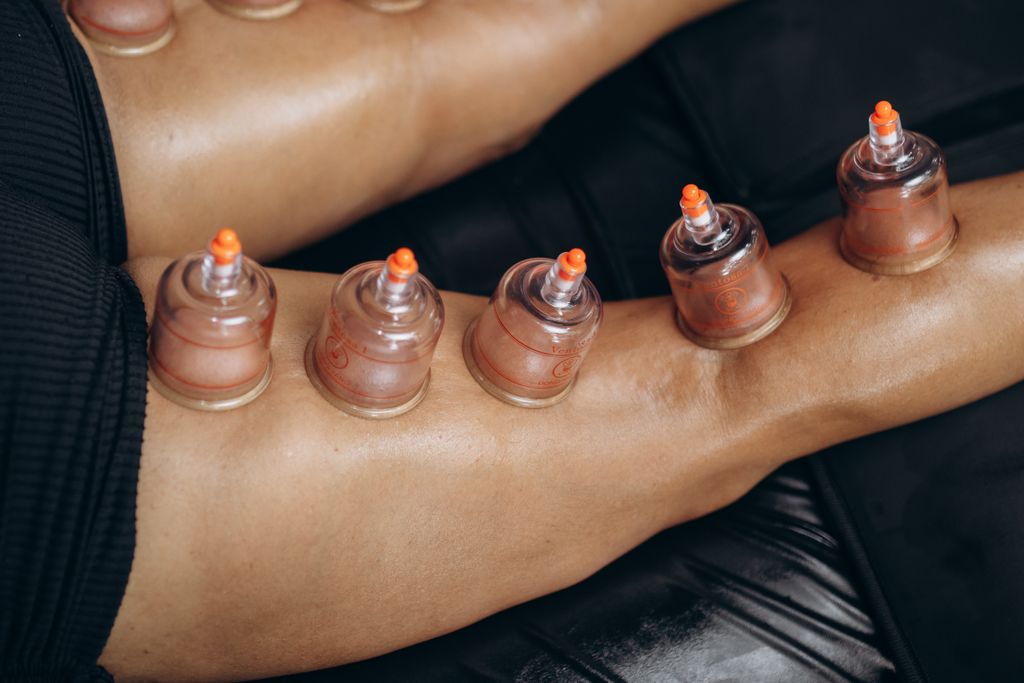
Cupping involves placing specialised cups on the skin to create a gentle vacuum effect. This encourages increased blood flow to targeted areas, helping to release tension and support the body’s natural recovery processes.
It is often used to support:
- Muscle tension and tightness
- Back, neck and shoulder discomfort
- Recovery from physical strain or exercise
- Circulation and blood flow
- General relaxation and stress reduction
- Overall physical wellbeing
Each treatment is carefully tailored to your needs, ensuring a comfortable and controlled experience.
Support for Recovery & Circulation
Cupping therapy is widely used to help the body recover from everyday stress and physical strain. By encouraging circulation to specific areas, it may help reduce stiffness and promote a feeling of release and lightness in the body.
Many clients choose cupping as part of their ongoing wellness routine to support mobility, relaxation and muscular recovery.
A Safe, Inclusive & Welcoming Space
At Phoenix Massage, I provide a calm, respectful environment where everyone is welcome and treated with care.
Your comfort, privacy and wellbeing are always my priority. I aim to create a professional, judgement-free space where you can relax, feel at ease and enjoy your treatment with complete confidence.
I welcome clients of all backgrounds, body types and lifestyles, and I am committed to providing a supportive and inclusive experience where everyone feels respected and valued.
A Holistic Approach to Wellness
While cupping is a physical therapy, I always take a holistic approach, recognising that tension and discomfort are often linked to stress and lifestyle factors.
Each session is adapted to how your body feels on the day, combining therapeutic technique with a calm, mindful treatment experience designed to support both body and mind.
Cupping therapy works really well when combines with Deep Tissue massage or Acupuncture.
Booking and Price
LGBTQ
45 Mins @ £60
Cupping Therapy FAQs
Does Cupping Therapy hurt?
Cupping should not normally be painful. You will usually feel a pulling or tightening sensation as the cup creates suction against the skin.
The strength of the suction can be adjusted according to your comfort, and you should always let me know if anything feels uncomfortable during your treatment.
Why does Cupping leave marks on the skin?
The suction created by the cups can cause temporary circular discolouration where they have been placed. These marks can range from light pink or red to darker shades and are a common response to cupping.
They are not necessarily an indication that something is wrong or that the treatment has identified a particular health problem.
How long do Cupping marks last?
Cupping marks vary considerably from person to person. Some may disappear within a few days, while darker marks can sometimes remain visible for a week or longer.
If you have an upcoming holiday, wedding, photoshoot or another occasion where visible marks could be a concern, it is worth considering this when deciding when to book your treatment.
Does darker Cupping mean there are more toxins in my body?
No. The colour of a cupping mark should not be used to diagnose your health or determine how many supposed “toxins” are present in your body.
Marking can vary depending on factors including the amount of suction used, how long the cups remain in position and an individual’s skin and tissue response.
What is the difference between Cupping Therapy and Deep Tissue Massage?
Deep Tissue Massage uses hands on massage techniques and firmer pressure to work areas of muscular tightness. Cupping uses suction created by specialised cups placed on the skin.
Some clients enjoy them separately, while others choose to incorporate cupping alongside massage as part of their wellbeing routine.
Can Cupping Therapy be combined with massage?
Yes. Cupping can complement massage and may be incorporated alongside treatments such as Deep Tissue Massage where appropriate.
If you are interested in combining treatments, this can be discussed before your appointment so I can recommend an approach based on what you want from your session.
Can I have Cupping Therapy after the gym?
Cupping is popular with active clients and people who experience muscular tightness following exercise. However, more treatment is not always better immediately after particularly strenuous exercise.
Let me know about your recent training, muscular soreness and any injuries before treatment so the session can be adapted appropriately.
Can Cupping help with tight shoulders and back muscles?
The back and shoulders are common areas where people experience muscular tightness, particularly following desk work, physical jobs, training or periods of stress.
Cupping can be applied to appropriate areas as part of a treatment focused on relaxation and muscular wellbeing. Persistent, severe or unexplained pain should be assessed by an appropriate healthcare professional.
Can everyone have Cupping Therapy?
Cupping is not appropriate for everyone. Certain health conditions, medications, skin problems, recent injuries and other circumstances may mean that treatment needs to be adapted or avoided.
It is important to provide relevant health information before treatment. If there is uncertainty about whether cupping is appropriate for you, you may be advised to seek medical guidance first.
Can I have Cupping if I take blood thinning medication?
Blood thinning or anticoagulant medication can increase the risk of bruising or bleeding, so you should always disclose this before treatment.
Depending on your circumstances, cupping may not be appropriate and you may be advised to speak with your GP or another appropriate healthcare professional before booking.
Can Cupping be performed over broken or irritated skin?
Cups should not be placed directly over open wounds, infected skin or certain areas of significant irritation or inflammation.
Please mention any skin concerns before your treatment so the affected area can be assessed and avoided where necessary.
What should I wear to a Cupping appointment?
The skin being treated needs to be accessible because the cups are placed directly onto the body. What you need to remove will therefore depend on the area being treated.
Your privacy and comfort will always be respected throughout your appointment.
What should I do after Cupping Therapy?
After your treatment, give your body some time to relax and be aware that the treated areas may feel slightly tender or sensitive.
Avoid deliberately irritating or aggressively massaging freshly cupped areas. If your skin feels particularly sensitive, allow it time to settle.
Can I shower after Cupping Therapy?
A normal shower is generally fine, but freshly treated skin may feel more sensitive than usual. Very hot showers, saunas, steam rooms or intense heat immediately afterwards may feel uncomfortable, particularly if the skin has marked significantly.
Should I exercise immediately after Cupping?
If you have had intensive cupping or your muscles and skin feel tender afterwards, you may prefer to avoid a particularly strenuous workout immediately after your appointment.
Listen to how your body feels and allow yourself some recovery time where needed.
Is Cupping Therapy suitable if I have never tried it before?
Yes. You do not need any previous experience with cupping.
Before your first treatment, I can explain what the cups will feel like, what you can expect during the session and the possibility of temporary marks afterwards. The suction can also be adapted to your comfort level.
How often should I have Cupping Therapy?
There is no universal schedule that is right for everyone. How frequently you choose cupping will depend on why you enjoy the treatment, how your body responds and whether you are combining it with other massage or wellbeing treatments.
Cupping does not need to be performed extremely frequently to become part of a regular wellbeing routine.
Is Cupping Therapy scientifically proven?
Cupping has a long history of use in traditional and complementary therapy. Research has explored its potential effects, particularly in relation to certain types of pain, but evidence for many broader health claims remains limited or uncertain.
At Phoenix Massage, cupping is offered as a complementary wellbeing treatment rather than as a replacement for medical diagnosis or treatment.